


📖 Behind the Story
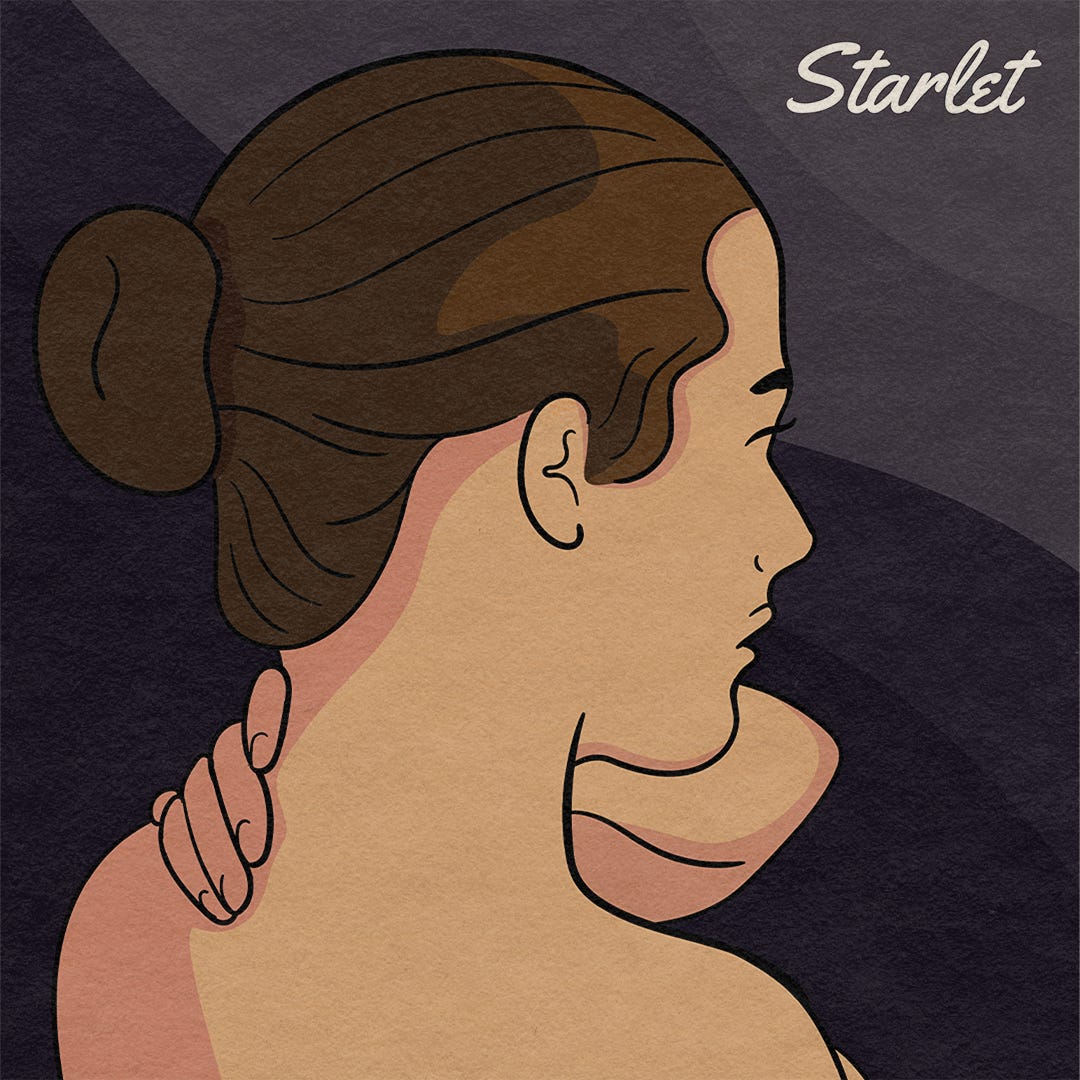
There’s a reason I called her a starlet.
Not a star — a starlet. That specific, tender word for someone on the edge of becoming. Someone with so much promise orbiting her that she practically glows, and yet she’s still figuring out what the light is even for.
That’s your twenties, isn’t it?
You are, in your own world, the lead of your own movie. The camera follows you everywhere. Every late shift, every crowded room, every stranger who holds your gaze a second too long — it all feels like it matters. Like it’s building toward something.
You don’t yet know what the something is, but the not-knowing has its own pull.
It’s that particular season of life where you’re simultaneously naïve and deeply instinctual. You don’t always know what you want, but you know — in your body, before your mind catches up — what you’re drawn toward.
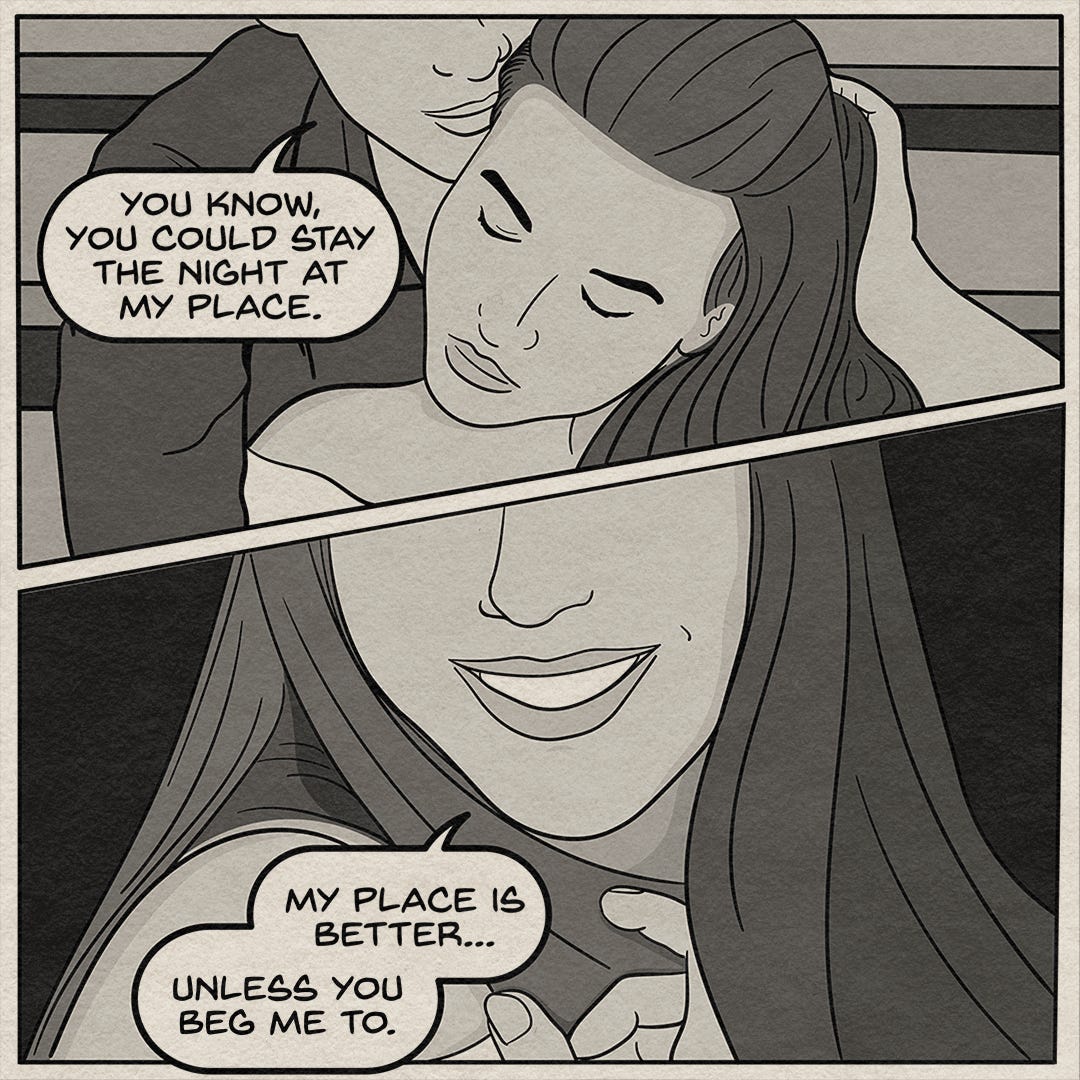
You learn by reaching. By staying. By leaving. By waking up half alone and deciding what that means about you.
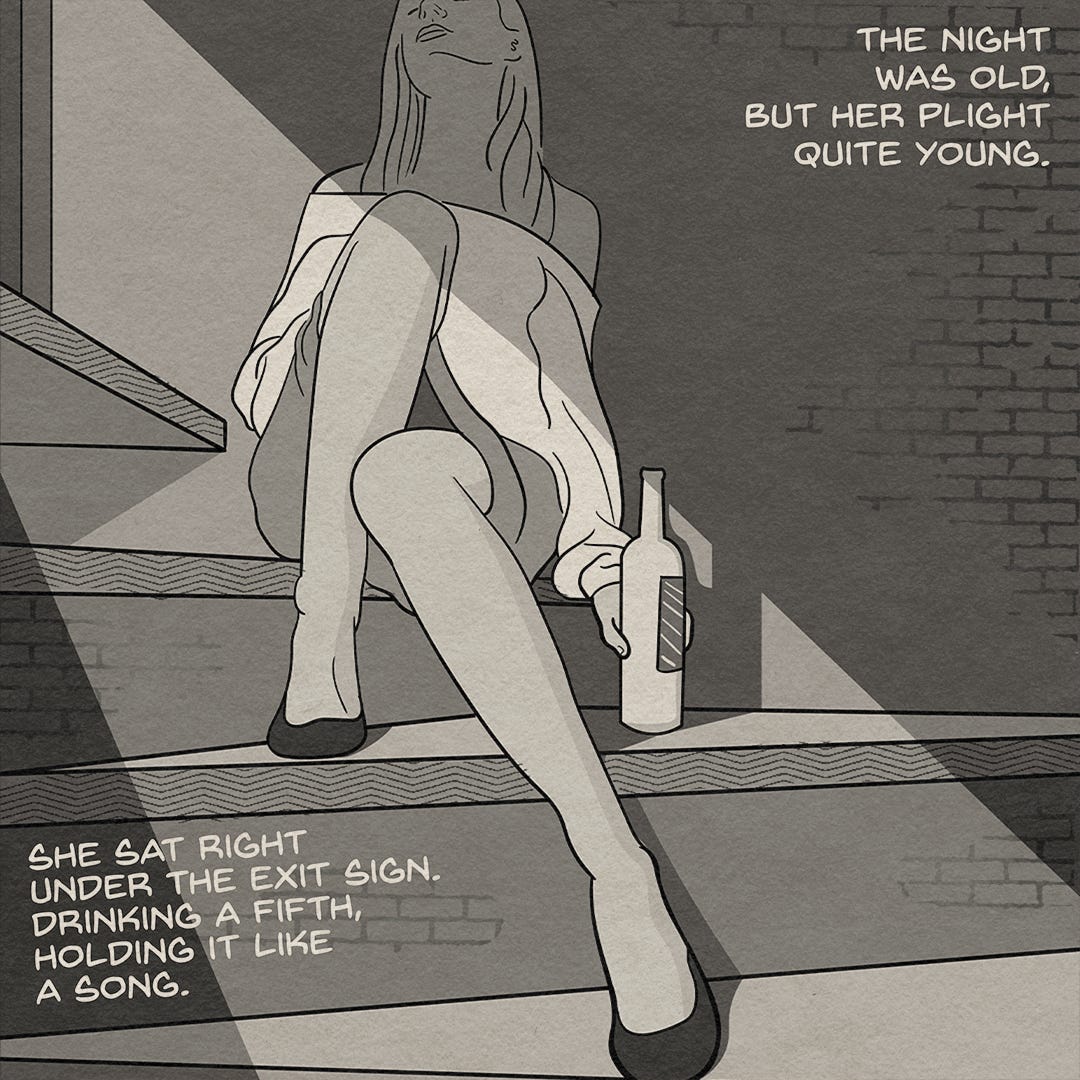
And there’s the indulgence of it, too. The flirt here, the gaze there. The fifth held like a song — not because you’ve given up, but because you haven’t figured out where the line is yet.
In a world of new experience, moderation isn’t exactly the first lesson most of us learn. That’s not a judgment. That’s just honest.
Some of the habits that carry us forward are born in those years — and some of the ones we’d quietly like to forget are, too.
I don’t know if when Henri Bardot wrote “94” he intended that kind of story, but when it landed in my ears, something clicked into place. The song’s mood hit that strange overlap between longing and resignation, between I want you more and I’ll never know.
If you haven’t listened to it while reading Starlet, I’d gently suggest you try it. Put it on repeat. The story shifts a little. It breathes differently beneath the music.
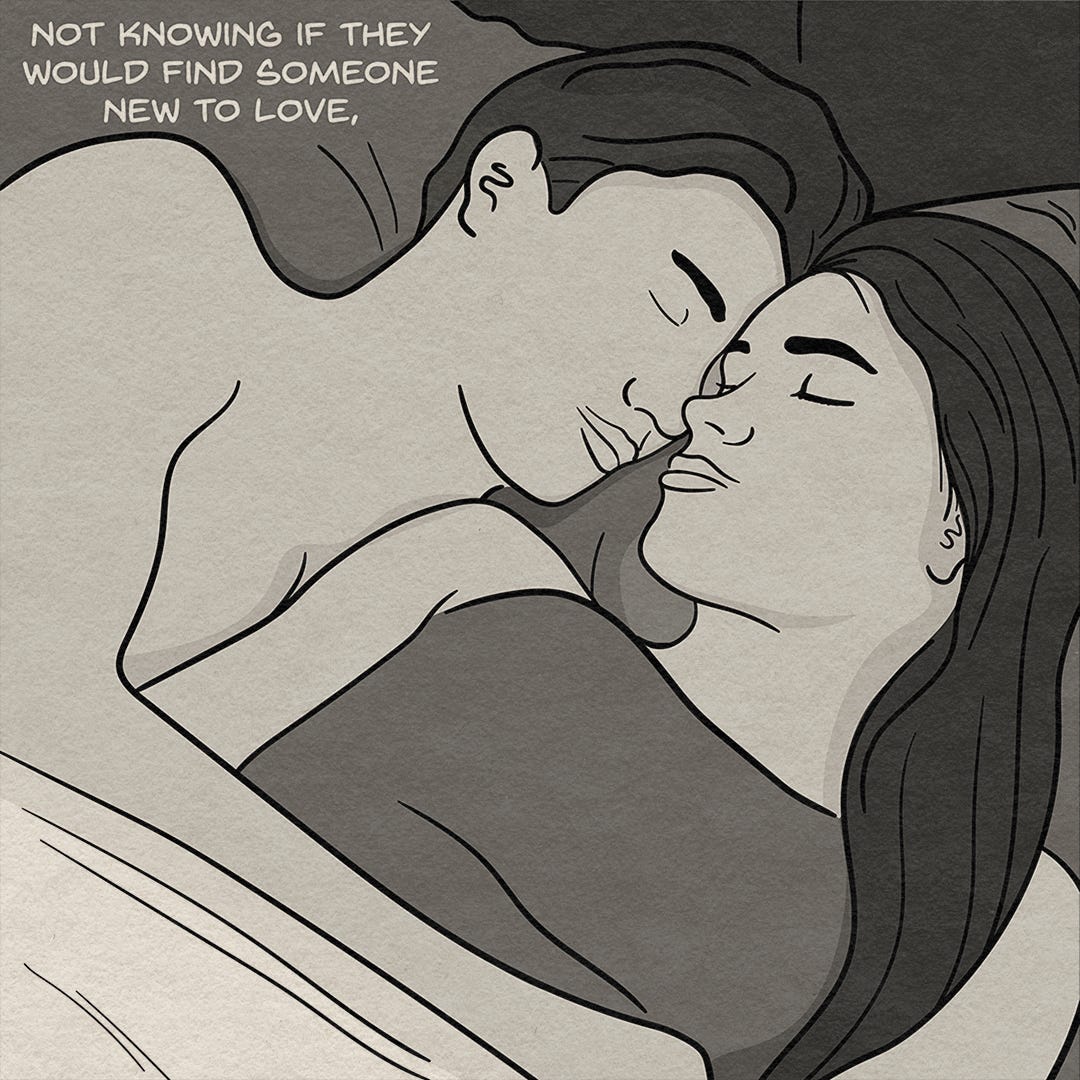
On the visual side, this was one of my earlier attempts at building a zine — and what I remember most is how much fun it was to hunt for reference images that could capture the right angles and lighting.
Storyboarding for something that wasn’t going to be animated, but still needed to feel cinematic — that’s a specific kind of challenge. You’re chasing a mood, not motion. Every panel had to hold its own while still carrying the weight of what came before it.
The monochromatic palette was an aesthetic constraint I came to love on its own. Only the cover was initially colored, but later in newer stories we began adding pops of color to certain scenes to deepen the story.
Color would have placed the scene too firmly in time. Gray keeps it floating — could be any city, any night, any two people learning what it means to be alive together for a few hours.
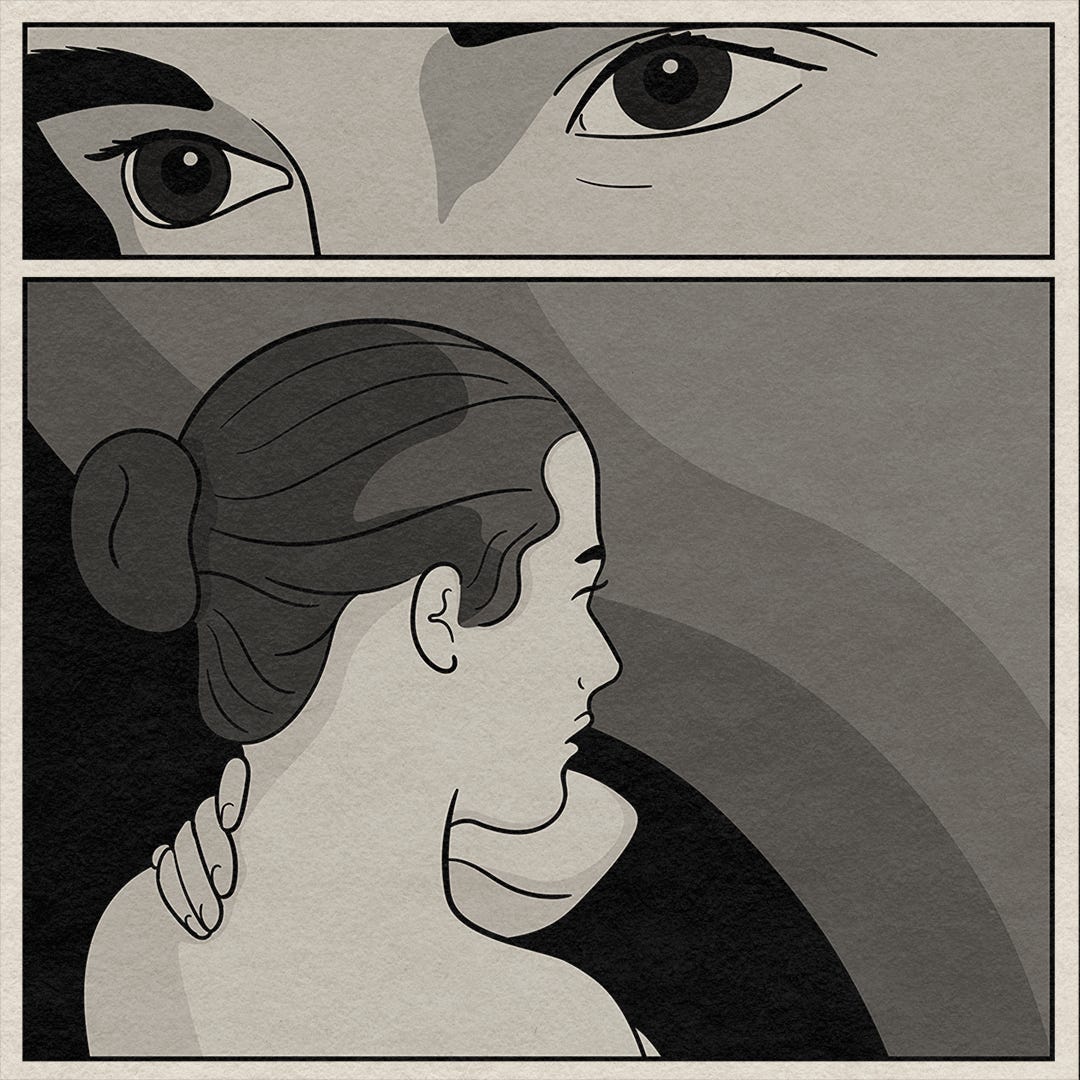
The exit sign above her. The bottle in her hand. The eyes across the dark room.
These were always meant to feel both specific and recurring — the kind of scene that plays out in a thousand different lives, in a thousand different rooms, and is somehow still lonely every time.
We were all that starlet once. Some of us still are.
💭 A Question for You
Your twenties have a way of teaching you things you didn’t know you were learning yet.
Looking back — what’s one moment from that season of life where you were reaching for something, and you still aren’t entirely sure what it was?
Read the Original Flash Fiction Here